

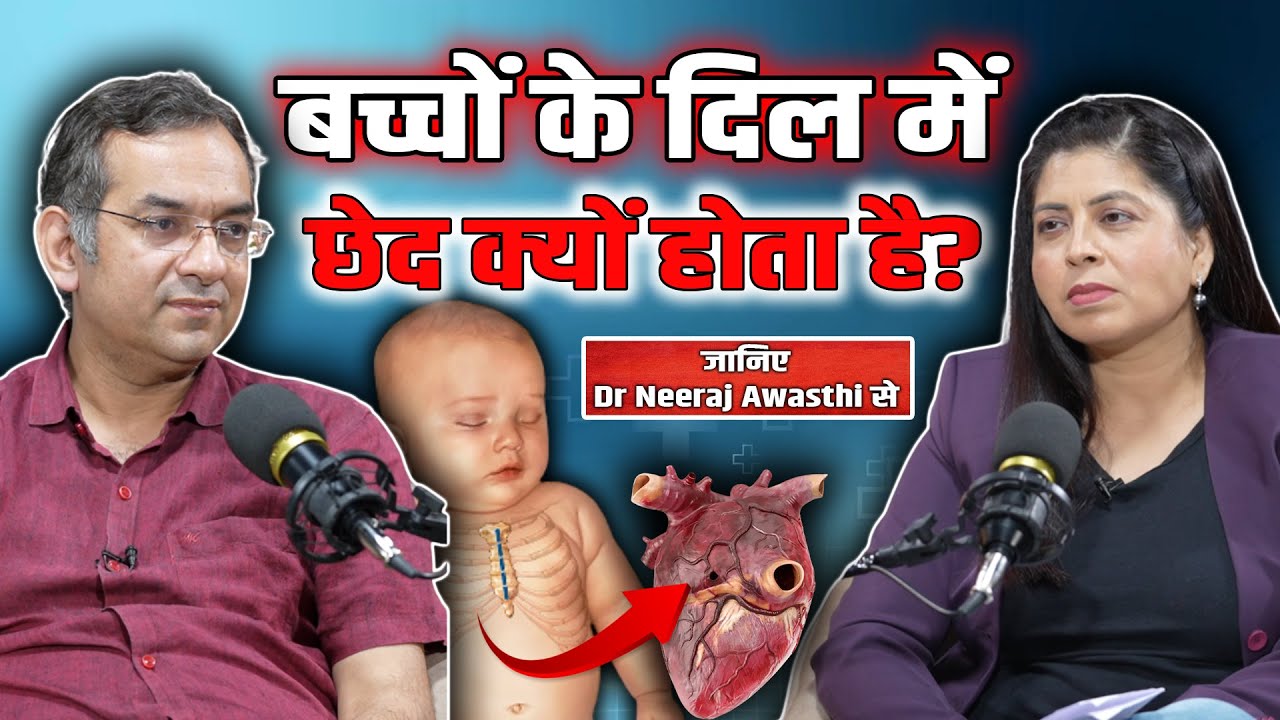
Heart problems in babies often go unnoticed because symptoms can be mild or mistaken for normal newborn behaviour. But early detection — within hours, days, or the first few months of life — can save a child’s life.
Pediatric cardiologists repeatedly emphasize one message:
Early screening is not optional. It is essential.
Especially for congenital heart disease (CHD), early diagnosis leads to better treatment, lower complications, and significantly improved long-term outcomes.
What Is Early Heart Screening for Babies?
Early heart screening refers to a set of tests done shortly after birth to check for structural or functional heart problems.
These screenings may include:
- Pulse oximetry test (oxygen level check)
- Newborn cardiac examination
- Echocardiography (ECHO), if needed
- Genetic screening for high-risk families
These tests are quick, painless, and highly effective at detecting hidden issues.
Why Early Screening Matters So Much
1. Many Heart Defects Are Silent at Birth
Over 70% of congenital heart defects show no obvious symptoms immediately.
A baby may appear healthy, active, and feeding well — until a sudden complication arises.
Early screening helps detect issues before symptoms become dangerous.
2. Early Detection Saves Lives
Many life-threatening conditions like:
- Critical valve defects
- Severe holes in the heart
- Abnormal blood vessel connections
require intervention within days or weeks of birth.
The sooner the diagnosis, the safer the treatment.
3. Prevents Emergency Complications
When heart defects go undetected:
- Oxygen levels may drop suddenly
- Babies may have difficulty feeding
- Organs can be affected due to poor blood flow
- Life-threatening infections become more likely
Early screening prevents these emergencies before they happen.
4. Treatment Success Rates Are Higher
Medical science today offers:
- Advanced pediatric cardiac surgeries
- Catheter-based corrections
- Highly specialized neonatal care
But the success of these treatments depends heavily on early identification.
Early-screened babies often have:
- Faster recovery
- Shorter hospital stays
- Better long-term growth and development
5. Reduces Anxiety for Parents
Unexplained symptoms in babies — fatigue, poor feeding, rapid breathing — create panic for parents.
Early screening either:
- Rules out major concerns, or
- Gives clarity so parents can take timely action
Clarity reduces fear, ensures peace of mind, and supports better caregiving.
Key Signs Parents Should Watch For
Even after screening, look out for:
- Bluish lips or fingertips
- Poor feeding or tiring quickly
- Excessive sweating
- Fast breathing
- Poor weight gain
Early detection + early response = best protection.
Insights from Pediatric Cardiologists
From your episode on congenital heart issues:
- Many heart defects are treatable if caught early
- Awareness among parents is still low
- Babies born in smaller towns often miss screening
- Early screening programs can drastically reduce infant mortality
- Doctors stress routine ECHO for high-risk newborns
These insights highlight the need for stronger education and screening awareness nationwide.
Conclusion
Early heart screening is one of the most powerful tools for protecting a baby’s health.
A few simple tests done at the right time can prevent complications, guide timely treatment, and give babies the best possible start in life.
Early screening isn’t just precaution — it’s lifesaving.