
In today’s fast-paced healthcare environment, medical expertise alone is not enough. Patients are no longer looking only for treatment — they are looking for understanding, reassurance, and human connection.
Empathy has become one of the most powerful tools a doctor can offer.
Especially in cardiology, where fear, uncertainty, and stress are common, the doctor–patient relationship can directly influence recovery, long-term health, and trust.
What Is Empathy in Healthcare?
Empathy is more than just kindness.
It means a doctor:
- Understands what the patient is feeling
- Acknowledges their concerns
- Communicates in simple, reassuring language
- Helps them feel safe during diagnosis and treatment
When patients feel understood, they feel empowered — and that often leads to better health outcomes.
Why Empathy Matters More Than Ever Today
1. Patients Are More Informed — And More Anxious
The internet has made medical information accessible, but not always accurate.
Patients often arrive with:
- Misconceptions
- Fear of worst-case scenarios
- Conflicting online advice
Empathetic communication helps doctors correct wrong information without making the patient feel judged.
2. Trust Shapes Treatment Outcomes
Studies show that patients who trust their doctors:
- Follow treatment plans more strictly
- Respond better to medication
- Report lower stress levels
- Recover faster
Empathy builds trust — and trust builds better health.
3. Emotional Stress Affects the Heart
Especially relevant for cardiology patients:
- Stress increases blood pressure
- Anxiety triggers palpitations
- Fear can worsen symptoms
When doctors acknowledge emotional concerns, patients feel calmer and more in control, which directly benefits their heart health.
4. Empathy Improves Communication
Most medical misunderstandings happen because patients:
- Don’t fully understand their diagnosis
- Are embarrassed to ask questions
- Forget instructions under stress
Empathetic doctors simplify explanations, encourage questions, and ensure clarity — reducing the chance of medical errors.
5. Healthcare Is Becoming More Transactional
With rushing OPDs, heavy patient loads, and administrative pressures, healthcare conversations sometimes feel mechanical.
But today’s patients expect:
- Time
- Attention
- Clear communication
- Emotional support
Empathy restores the human element in modern medicine.
How Doctors Can Show Empathy (Simple Steps)
- Listen without interrupting
- Make eye contact
- Use simple, non-technical language
- Validate patient fears (“It’s normal to feel this way…”)
- Provide realistic reassurance
- Encourage open questions
- Explain treatment options calmly
Small gestures create big impact.
How Patients Benefit from Empathetic Doctors
- Feel confident about treatment
- Experience lower anxiety
- Have better long-term adherence
- Trust medical decisions
- Develop a positive emotional connection
- Become more proactive about health
Patients who feel respected and heard are more likely to achieve better outcomes.
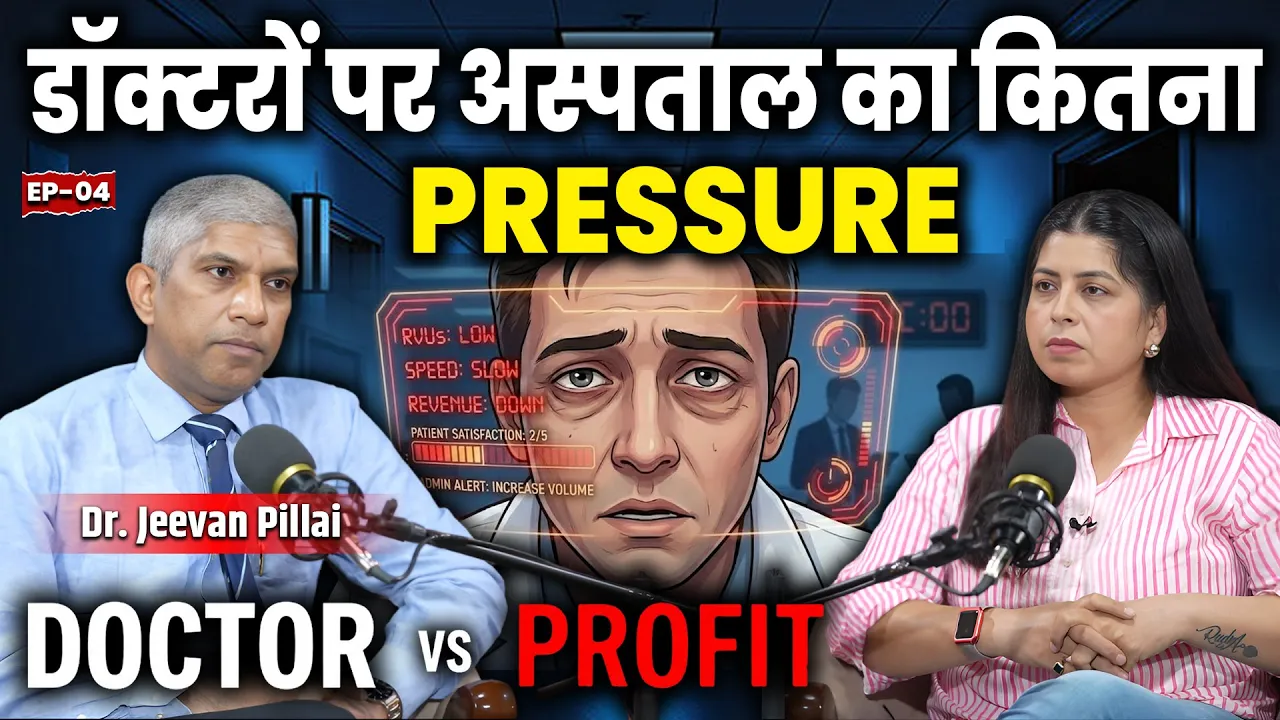
Insights from the Episode
In your podcast, doctors highlight:
- Increasing emotional pressure on physicians
- Rising expectations from patients
- How empathy can reduce aggression and mistrust
- Why younger doctors must practice communication skills early
- Real examples where empathy prevented panic and improved care
This reinforces the idea that empathy is not optional — it is essential.
Conclusion
Doctor–patient empathy is no longer a soft skill — it is a medical skill.
In a world full of noise, fear, and misinformation, an empathetic doctor becomes a patient’s anchor.
Empathy improves communication, builds trust, reduces anxiety, and strengthens outcomes — making it more important today than ever before.